
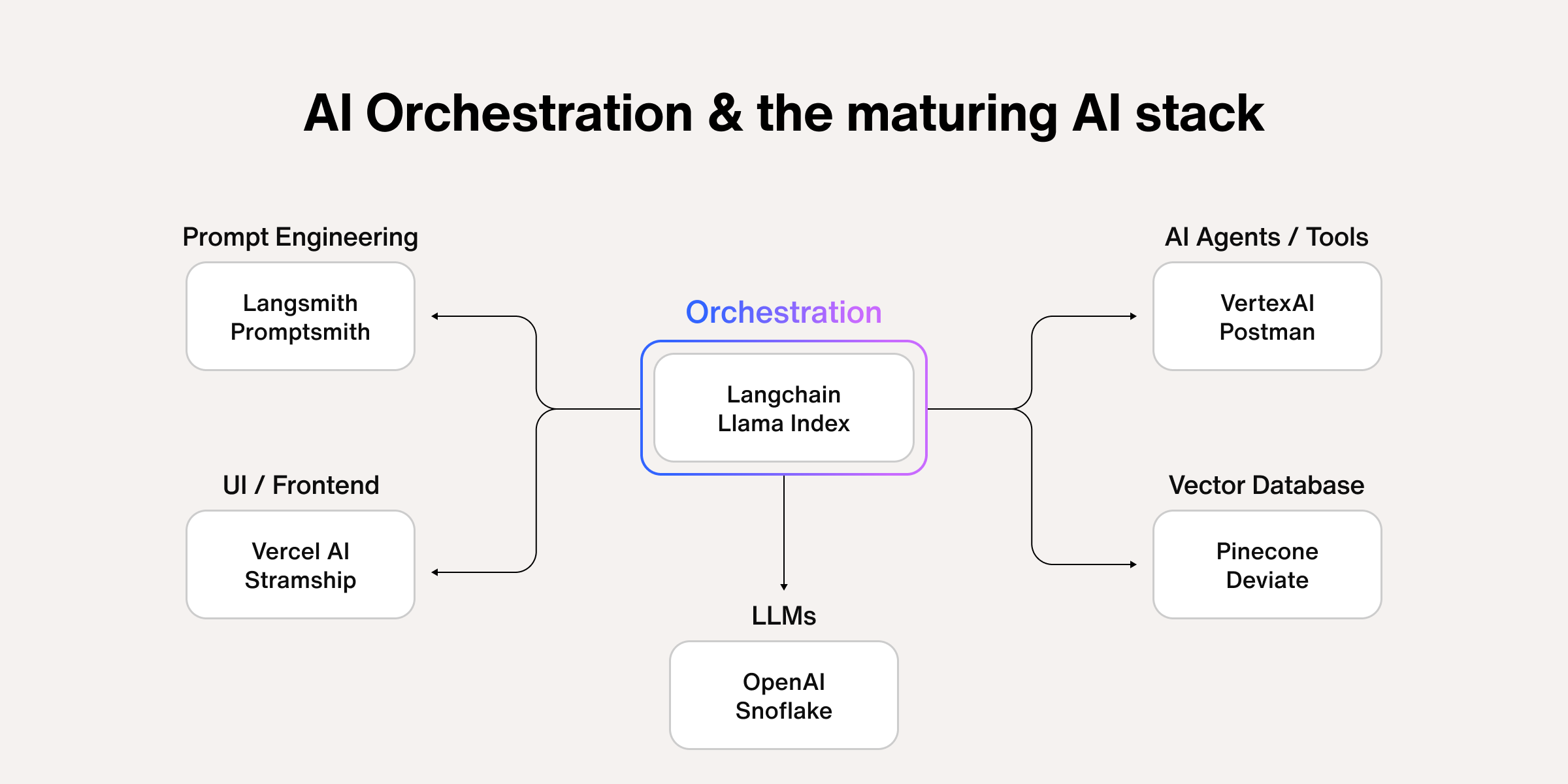
Introduction
Workflow orchestration architectures coordinate tasks, services, APIs, and data pipelines across distributed systems. These architectures ensure structured execution, dependency management, and state tracking within complex digital environments. Traditional orchestration engines rely heavily on predefined rules and static branching logic. While reliable, they lack contextual awareness and adaptive intelligence.
AI integration introduces a decision-making layer into orchestration systems. Instead of executing fixed sequences, intelligent workflow orchestration architectures evaluate data patterns, predict outcomes, and dynamically adjust execution paths. This transition represents a structural evolution from deterministic automation to adaptive orchestration frameworks.
Evolution of Workflow Orchestration
Traditional Systems
Conventional orchestration systems operate using rule-based logic, sequential workflows, and static condition handling. Each workflow path is predefined during system design.
AI Integration
AI integration enhances orchestration by embedding predictive analytics, classification models, and optimization algorithms into workflow engines.
Core Architectural Components
Orchestration Engine Layer
This layer manages task scheduling, dependency resolution, service coordination, and state management. With AI integration, the engine interacts with predictive models before determining workflow progression.
Data Processing Layer
Intelligent orchestration requires continuous access to structured data streams. These include execution logs, system telemetry, event signals, and performance metrics. Data pipelines feed AI models that guide workflow optimization.
AI Decision Layer
The AI layer may include machine learning classifiers, regression models, reinforcement learning systems, or hybrid rule-based logic. It evaluates real-time conditions and historical performance to determine optimal task routing and resource allocation.
Together, these components form a scalable and adaptive orchestration architecture.
Predictive Routing and Dynamic Workflow Adaptation
AI-enabled orchestration architectures support predictive routing, where task distribution is based on anticipated efficiency rather than static rules. Models assess parameters such as workload, latency probability, and failure risk before assigning tasks.
Dynamic Adaptation Benefits
Dynamic workflow adaptation further enhances flexibility. Instead of rigid execution paths, intelligent systems restructure workflows based on contextual signals. If a particular route introduces latency, alternative branches can be triggered automatically. This reduces bottlenecks and improves throughput.
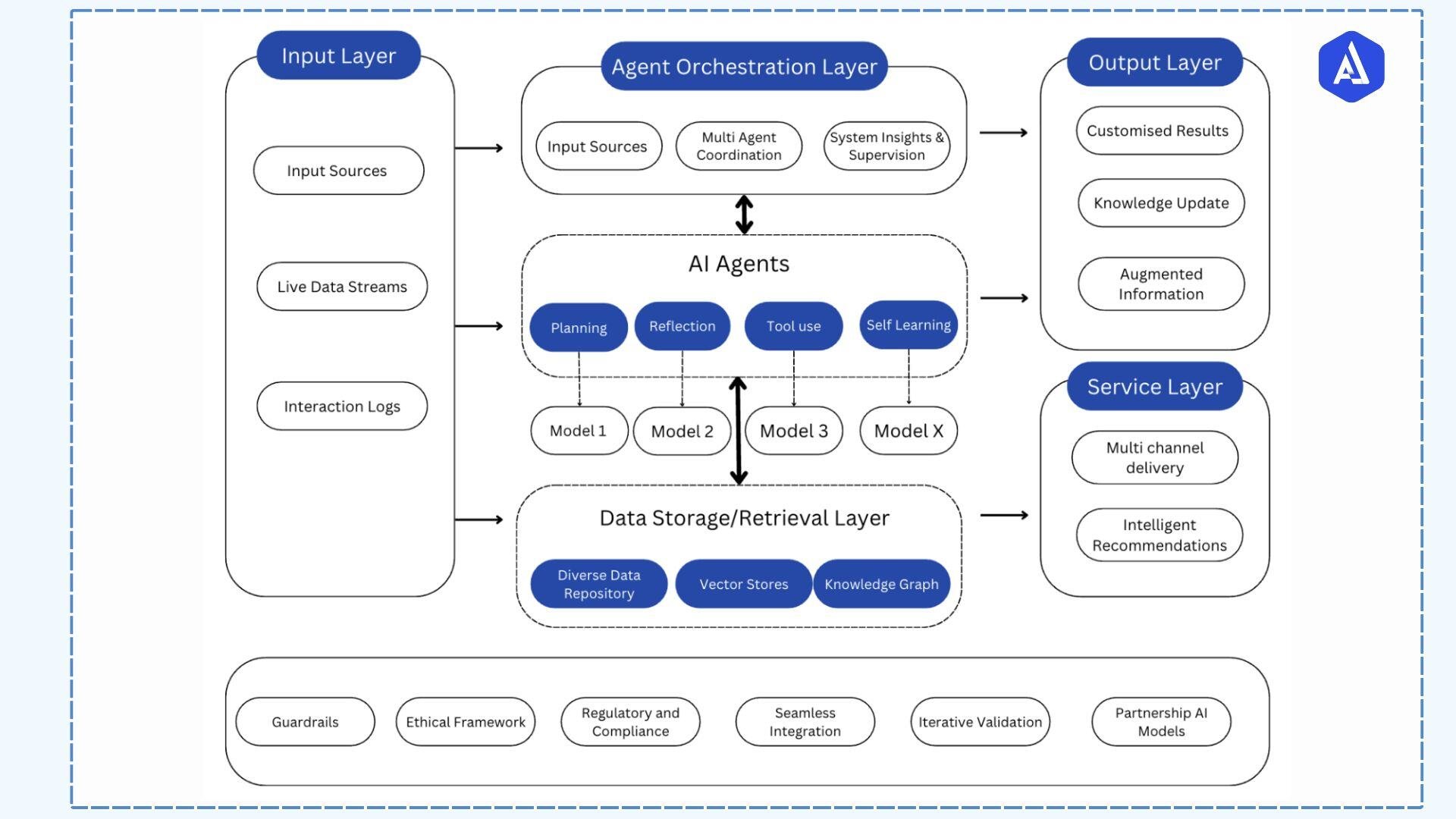
Figure 2: Intelligent Agentic Orchestration Framework
Event-Driven Intelligence
Modern orchestration systems increasingly operate in event-driven environments. AI integration strengthens this model by enabling real-time decision-making at the moment of event detection.
Anomaly Detection Example
For example, anomaly detection algorithms can identify deviations such as abnormal response times or error patterns. Rather than relying on manual monitoring, the system automatically initiates corrective workflows. This enhances operational resilience and reduces downtime.
Continuous Optimization Through Feedback Loops
AI-integrated architectures incorporate feedback mechanisms that analyze execution outcomes. Metrics such as task completion time, resource utilization, and error rates inform ongoing optimization.
Task Completion Time
Monitor and optimize execution duration
Resource Utilization
Efficient allocation of system resources
Error Rates
Track and minimize system failures
Reinforcement Learning Approach
Reinforcement learning approaches allow the system to experiment with workflow variations and converge toward optimal configurations. Over time, orchestration frameworks improve autonomously without requiring frequent manual redesign.
Infrastructure and Scalability Considerations
AI integration introduces additional computational demands. Model inference latency, scalability of AI services, and state persistence mechanisms must be optimized to maintain performance.
Cloud-Native
Containerized
Microservices
Observability
Cloud-native infrastructure, containerized deployment, and microservices-based architectures support elastic scaling. Observability tools monitor orchestration health and ensure that AI-driven decision layers operate efficiently within distributed environments.
Governance and Reliability
Intelligent workflow orchestration requires structured governance frameworks. Model version control, audit trails, explainability mechanisms, and performance benchmarking are essential for maintaining transparency and reliability.
Governance Checklist
- Model version control and tracking
- Comprehensive audit trails
- Explainability mechanisms
- Performance benchmarking
Continuous monitoring mitigates risks such as model drift and data inconsistency. Security controls and compliance policies further ensure safe deployment within enterprise systems.


