IT & Software Development Company | IT Staffing Services | Talent Smart

ISO 27001 / ISMS Certified
ARTIFICIAL INTELLIGENCE

AI Pilots vs Human Pilots – Can Machines Fly Better?

AI Pilots vs Human Pilots – Can Machines Fly Better?

Share :

AI Pilots vs Human Pilots – Can Machines Fly Better?

The aviation industry is undergoing a massive transformation with the rise of artificial intelligence (AI) in aviation. From smart autopilot systems to predictive maintenance, AI is already enhancing how airlines operate. But a new debate is gaining momentum: Can AI pilots fly better than human pilots?

This discussion is no longer limited to science fiction. With the development of autonomous aircraft, advanced decision-making algorithms, and machine learning systems, many experts believe AI pilots could soon take over the cockpit. However, human pilots bring emotional intelligence, adaptability, and judgment that machines may never fully replicate.

In this blog, we’ll compare AI pilots vs human pilots, explore the advantages and disadvantages of AI in aeronautics, and analyze whether machines could truly replace humans in the future of aviation.

The Role of AI in Aviation Today

AI Pilots vs Human Pilots – Can Machines Fly Better?

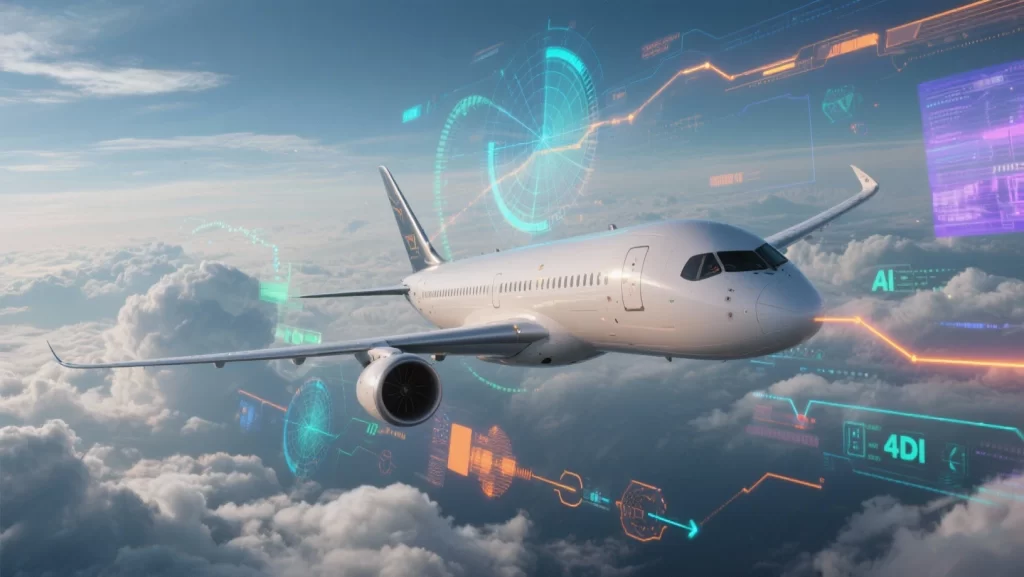
Artificial intelligence is already playing a critical role in modern aviation. Here are some areas where AI in aviation is making an impact:

  • Autopilot systems: Modern planes already use AI-powered autopilot for most of the flight duration.
  • Air traffic control support: AI systems can predict flight paths, reduce delays, and improve safety.
  • Predictive maintenance: AI helps detect faults before they turn into failures, saving costs and lives.
  • Passenger experience: From smart check-in kiosks to personalized services, AI is enhancing air travel.

While these advancements are impressive, the ultimate question remains—can AI replace human pilots?

Advantages of AI Pilots

AI Pilots vs Human Pilots – Can Machines Fly Better?

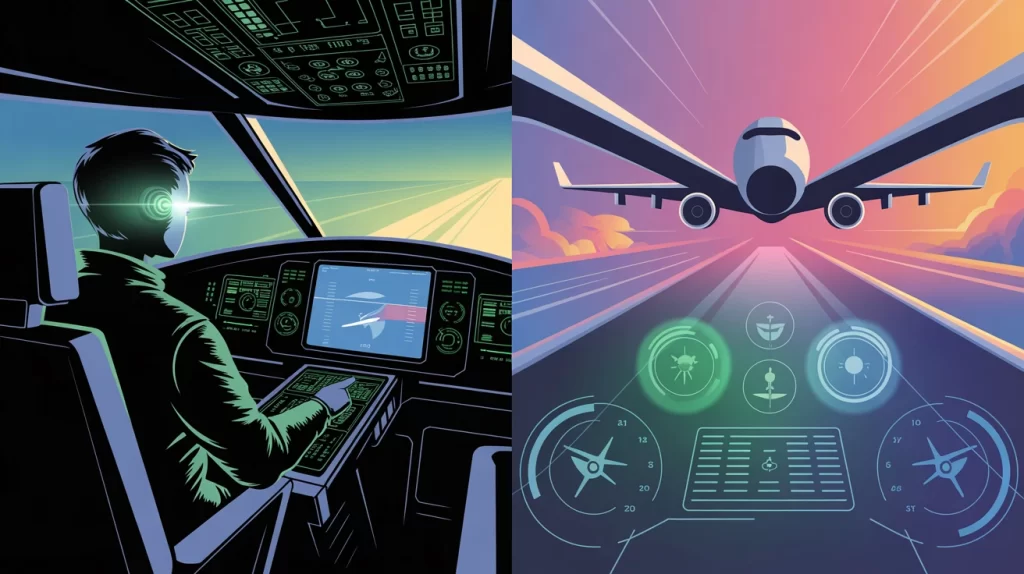
AI pilots bring several benefits to the future of aviation. Here are some of the major advantages of AI in aviation:

1. 24/7 Efficiency Without Fatigue

Unlike human pilots, AI systems don’t suffer from stress, fatigue, or distraction. Machines can operate continuously without rest, reducing the risk of human error caused by tiredness.

2. Faster Decision-Making

AI algorithms can process massive amounts of data instantly—weather patterns, sensor inputs, and flight conditions—helping in faster and more accurate decision-making compared to humans.

3. Cost Reduction

AI pilots could significantly lower airline costs by reducing crew salaries, training, and human-related operational expenses. In turn, this might make flying more affordable for passengers.

4. Predictive Accuracy

AI can forecast risks such as turbulence, engine malfunctions, or system failures long before they occur. This predictive capacity increases overall safety.

5. Reduced Human Error

Studies show that a majority of aviation accidents are linked to human error. AI pilots, if trained and tested properly, could minimize such risks.

Disadvantages of AI Pilots

AI Pilots vs Human Pilots – Can Machines Fly Better?

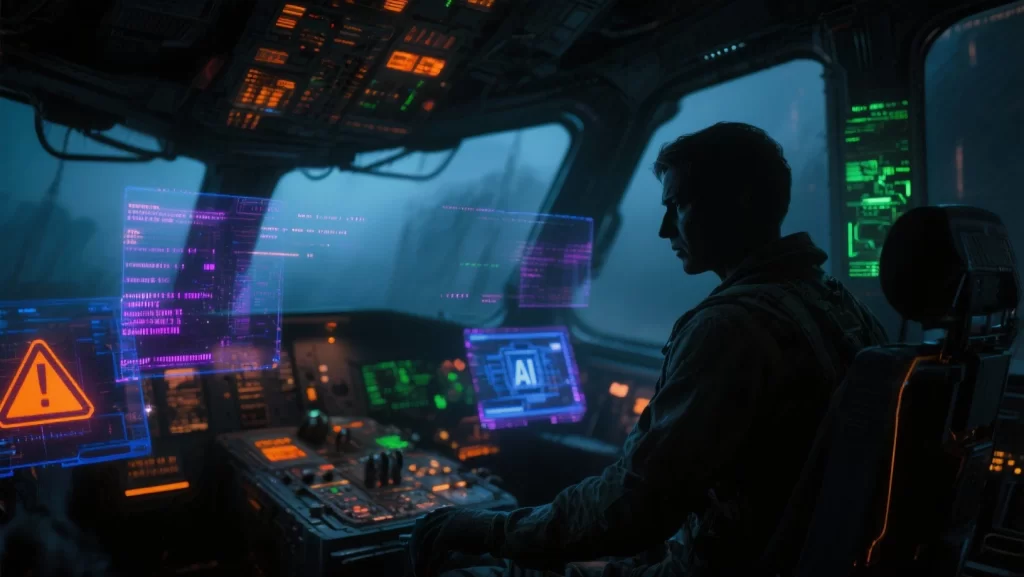
Despite these benefits, there are still major concerns and disadvantages of AI in aviation that need attention:

Studies show that a majority of aviation accidents are linked to human error. AI pilots, if trained and tested properly, could minimize such risks.

1. Lack of Human Judgment

Flying isn’t just about technical skill; it’s also about human intuition. AI cannot yet replicate a pilot’s ability to improvise in unpredictable, high-stakes situations.

2. Cybersecurity Risks

An AI-controlled aircraft could be vulnerable to cyberattacks. Hackers gaining control of an autonomous aircraft poses a huge threat to passenger safety.

3. Technical Failures

Even advanced AI systems can malfunction due to software bugs or hardware failures. Without human oversight, these errors could result in catastrophic accidents.

4. Passenger Trust Issues

Would passengers feel comfortable boarding a plane without a human pilot? Public trust is a huge challenge in adopting AI pilots in commercial aviation.

5. Job Losses in Aviation Industry

The rise of autonomous aircraft could threaten jobs for thousands of skilled pilots worldwide, leading to resistance from pilot unions and aviation bodies.

Human Pilots: The Irreplaceable Factor

Despite the buzz around AI in aeronautics, human pilots remain central to aviation. Here’s why:

  • Emotional Intelligence: Humans can manage fear, comfort passengers, and make ethical decisions—something AI cannot achieve.
  • Adaptability: Pilots can quickly adapt to unexpected situations such as passenger illness, sudden weather changes, or mechanical failures.
  • Teamwork: Cockpit crews coordinate with ground staff, air traffic controllers, and cabin crew in ways that AI systems cannot replicate fully.
  • Passenger Confidence: Passengers feel safer knowing a skilled human pilot is in control.

AI Pilots vs Human Pilots – Can Machines Fly Better?

AI Pilots vs Human Pilots – Can Machines Fly Better?

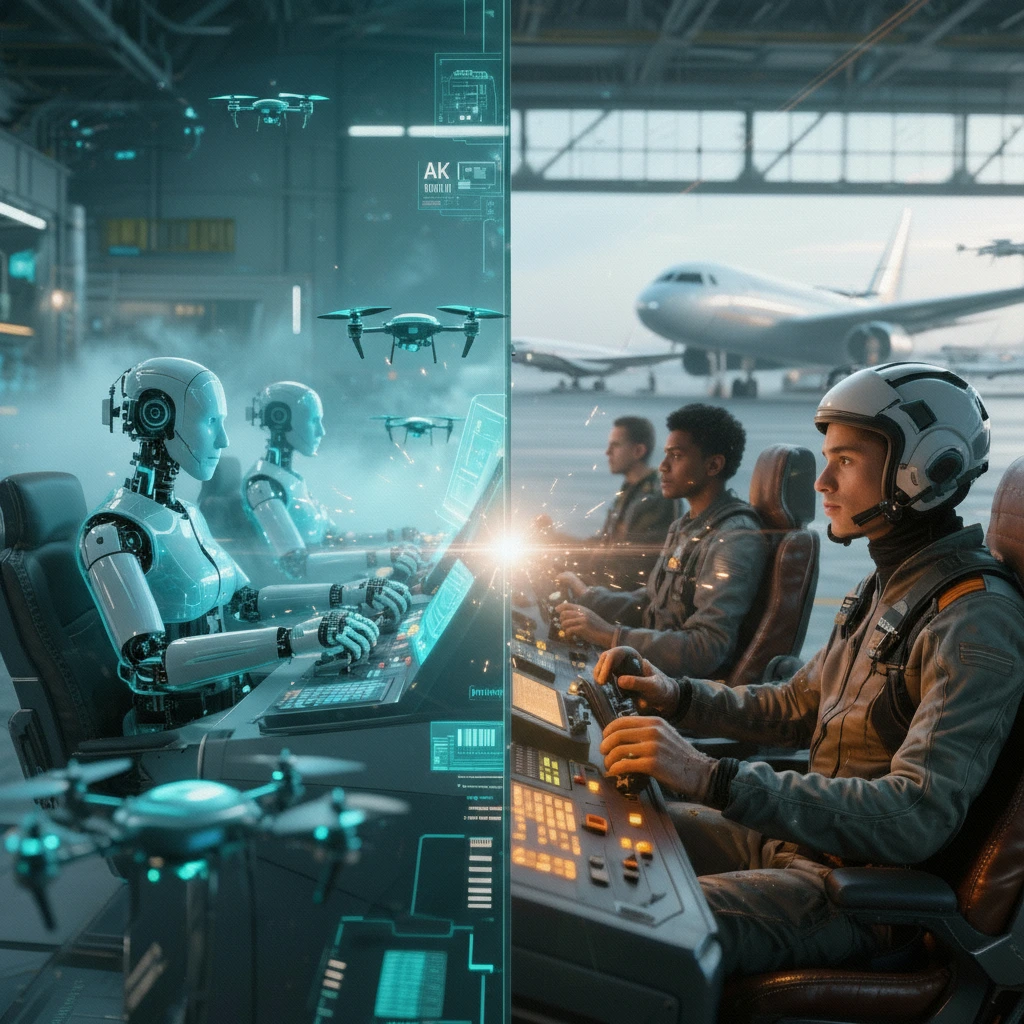
The truth is that AI pilots and human pilots each have strengths and weaknesses. Instead of asking whether AI can fully replace human pilots, the real question is how both can complement each other.

  • AI excels at: data analysis, precision flying, fatigue-free operation, and predictive safety.
  • Humans excel at: decision-making under uncertainty, emotional intelligence, and trust-building.

Thus, the future of aviation is more likely to feature a hybrid model, where AI assists human pilots rather than replacing them entirely.

The Future of Aviation: Collaboration, Not Competition

A fully autonomous passenger jet may not become reality overnight. Regulatory bodies like the FAA (Federal Aviation Administration) and EASA (European Union Aviation Safety Agency) have strict rules to ensure aviation safety.

The near future will likely see:

  • AI as a co-pilot: AI systems supporting human pilots with real-time data, predictive alerts, and automated tasks.
  • Semi-autonomous aircraft: Cargo planes or unmanned aircraft may see AI pilots first, reducing risk to human passengers.
  • Smart training programs: AI helping to train pilots using flight simulators, risk modeling, and emergency drills.

In short, the future of aviation lies in collaboration between AI and humans, not in one replacing the other.

Conclusion

So, can AI pilots fly better than human pilots? The answer is both yes and no. AI brings unmatched precision, speed, and data-driven insights, but it lacks the adaptability and emotional intelligence of human pilots. The aviation industry’s safest path forward is a hybrid cockpit, where AI handles repetitive tasks and data processing while human pilots make final decisions in critical scenarios. As artificial intelligence in aviation continues to evolve, the skies of tomorrow will not be controlled by humans or machines alone—but by a powerful partnership between the two.

Leave a comment

Your email address will not be published. Required fields are marked *

GET IN TOUCH

Ready to Get Started?