IT & Software Development Company | IT Staffing Services | Talent Smart

ISO 27001 / ISMS Certified
ARTIFICIAL INTELLIGENCE

What is Generative AI? How It Works, Advantages, and Disadvantages?

What is Generative AI? How It Works, Advantages, and Disadvantages?

Share :

What is Generative AI? How It Works, Advantages, and Disadvantages?

The Rise of Generative AI

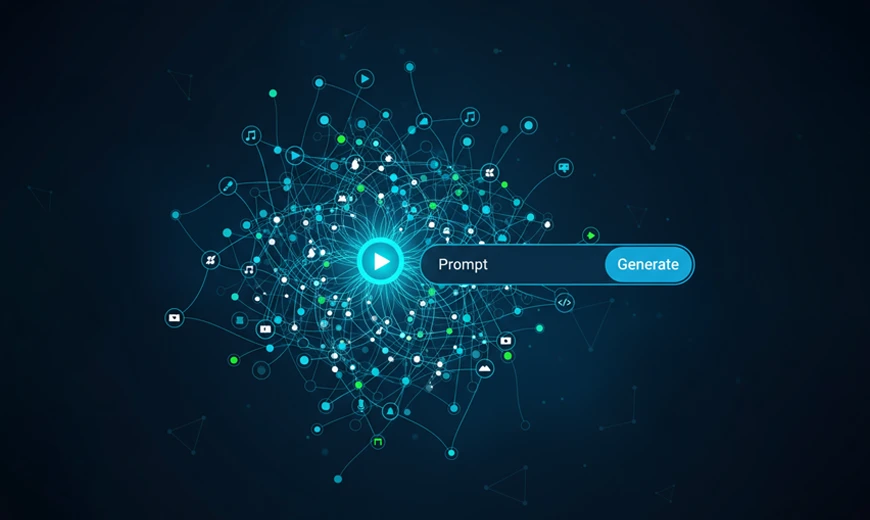
Artificial Intelligence (AI) has been reshaping industries for decades, but a new subfield—Generative AI (GenAI)—has taken the spotlight. From creating human-like text to generating images, music, videos, and even computer code, GenAI is revolutionizing the way we work, learn, and interact with technology. Businesses, researchers, and individuals are leveraging it to boost creativity, efficiency, and innovation.
In this blog, we’ll explore what Generative AI is, how it works, its advantages disadvantages, and why it is one of the most trending technologies of 2025.

What is Generative AI?

Generative AI is a branch of artificial intelligence that focuses on creating new data, content, or solutions rather than just analyzing existing data. Unlike traditional AI, which classifies or predicts outcomes, GenAI has the ability to generate text, images, videos, designs, music, and more—mimicking human creativity.

Examples of Generative AI include:

  • Chatbots like ChatGPT that generate human-like conversations.
  • Image generators like DALL·E or MidJourney that create realistic visuals.
  • Music composers that can create melodies in different genres.
  • Code assistants that help developers by writing and debugging code. 

How Does Generative AI Work?

Generative AI uses deep learning models and neural networks trained on large datasets. The most common techniques include:

1. Neural Networks

At the core are artificial neural networks that mimic the human brain. They learn patterns and structures in massive datasets.

2. Generative Adversarial Networks (GANs)

GANs consist of two networks—the generator and the discriminator.

  • The generator creates new data (like fake images).
  • The discriminator checks if the data is real or fake.

Both keep improving until the generated output looks realistic.

3. Transformer Models

Modern GenAI models, like GPT, use transformer architecture, which is highly effective for understanding context and generating coherent content.

4. Training on Large Datasets

The models are trained on billions of text, images, or sound files. Through this training, they learn language patterns, design aesthetics, or music rhythms.

5. Fine-Tuning & Human Feedback

To improve accuracy, models are fine-tuned with human feedback and specialized datasets, ensuring better results for specific industries or tasks.

Real-World Applications of Generative AI

Generative AI is being applied across multiple industries:

  • Healthcare: Drug discovery, medical imaging analysis, and personalized treatment plans.
  • Education: Smart tutoring systems, automated grading, and learning simulations.
  • Entertainment: AI-generated movies, scripts, video games, and music.
  • Marketing: Personalized ad campaigns, social media content, and chatbots.
  • Software Development: Code generation, bug fixing, and software testing.

Future of Generative AI

The future of Generative AI looks promising, but it requires careful regulation. With advancements in ethical AI, transparency, and sustainable computing, the technology could revolutionize industries without causing societal harm. Governments, companies, and researchers must collaborate to set global standards for responsible use.

Generative AI won’t just be a tool—it will become a co-pilot for human creativity and productivity.

Conclusion

Generative AI is one of the most exciting innovations of our time. It goes beyond traditional AI by creating new content, offering solutions, and fueling creativity. While it offers immense advantages—such as productivity, personalization, and innovation—it also brings challenges like bias, misuse, and ethical concerns. The key lies in using Generative AI responsibly, balancing innovation with ethics, and ensuring it benefits humanity.

Leave a comment

Your email address will not be published. Required fields are marked *

GET IN TOUCH

Ready to Get Started?